
MedTech industrialization to ensure stable and repeatable production
In the medical device industry, tolerance is not limited to dimensions; it directly affects product performance. Even a slight variation can disrupt a mechanism, alter the interaction between components, or compromise a critical function.
Industrialization is therefore not merely about producing parts that meet specifications. It ensures that each component performs its function consistently and reliably.
This approach leads us to think in terms of functions rather than mere geometry. At Azurea, we incorporate manufacturing, quality control, and repeatability requirements from the very earliest stages of the project to ensure the critical functions of the device.
We specialize in:
- sealing functions
- cutting functions
- drive and coupling functions
- fastening and assembly functions
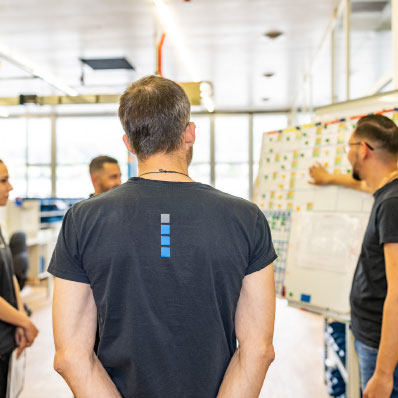


Qualified and validated processes for safety-critical functions
In MedTech industrialization, the real challenge lies in replicating the same performance thousands, even millions, of times without significant variation. A seal, a fastener, or a drive mechanism may function perfectly on a prototype, but mass production must guarantee the same results with every cycle. Industrialization transforms this initial performance into a controlled, validated, and reproducible performance over time.
Repeatability as the Foundation of Industrial Performance
In the MedTech industry, the performance of a medical device depends on its ability to function consistently over time. This requires that every part produced have exactly the same characteristics, cycle after cycle.
This is what repeatability is all about: demonstrating that a process is capable of consistently reproducing a specific performance without deviation.
This control is assessed as early as the industrialization phase. Without it:
- the fluctuations are increasing
- performance becomes unstable
- quality is declining
- the system is deviating from its original requirements
In a field as demanding as the medical industry, repeatability directly determines a product’s reliability.
Understand the function before evaluating the production
The teams define the device's performance specifications as early as the design phase. The manufacturing process then translates these requirements into measurable criteria and establishes the necessary procedures to reliably reproduce this performance throughout mass production.
Example of the qualification of a sealing function

1. Understanding the expected role
Going beyond dimensions, tolerances, and surface finish is the approach we take to understand the expected functional requirements, and this opens up surprising opportunities for optimization!
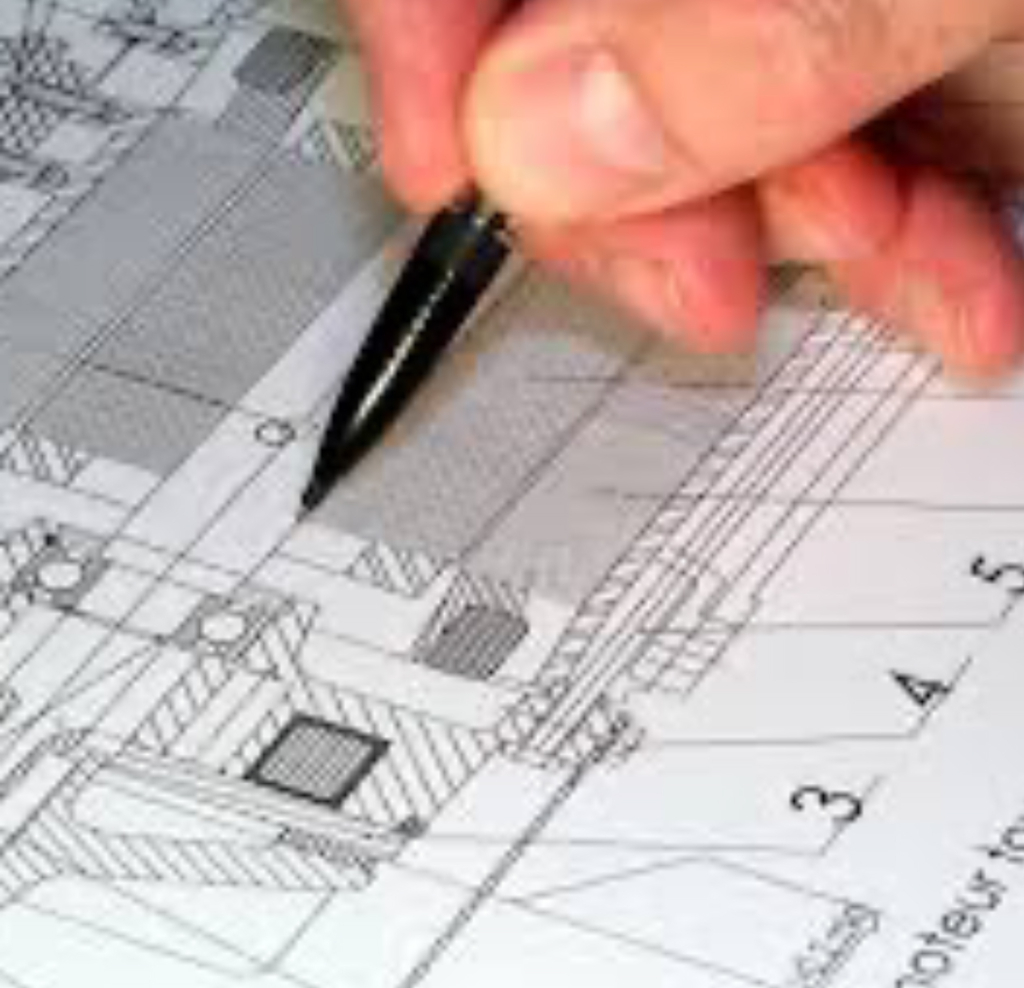
2. Identify the critical criteria
Performing this function requires a thorough understanding of all critical factors: geometry, surface finish, assembly, and sealing performance. Each of these factors contributes to reliability.
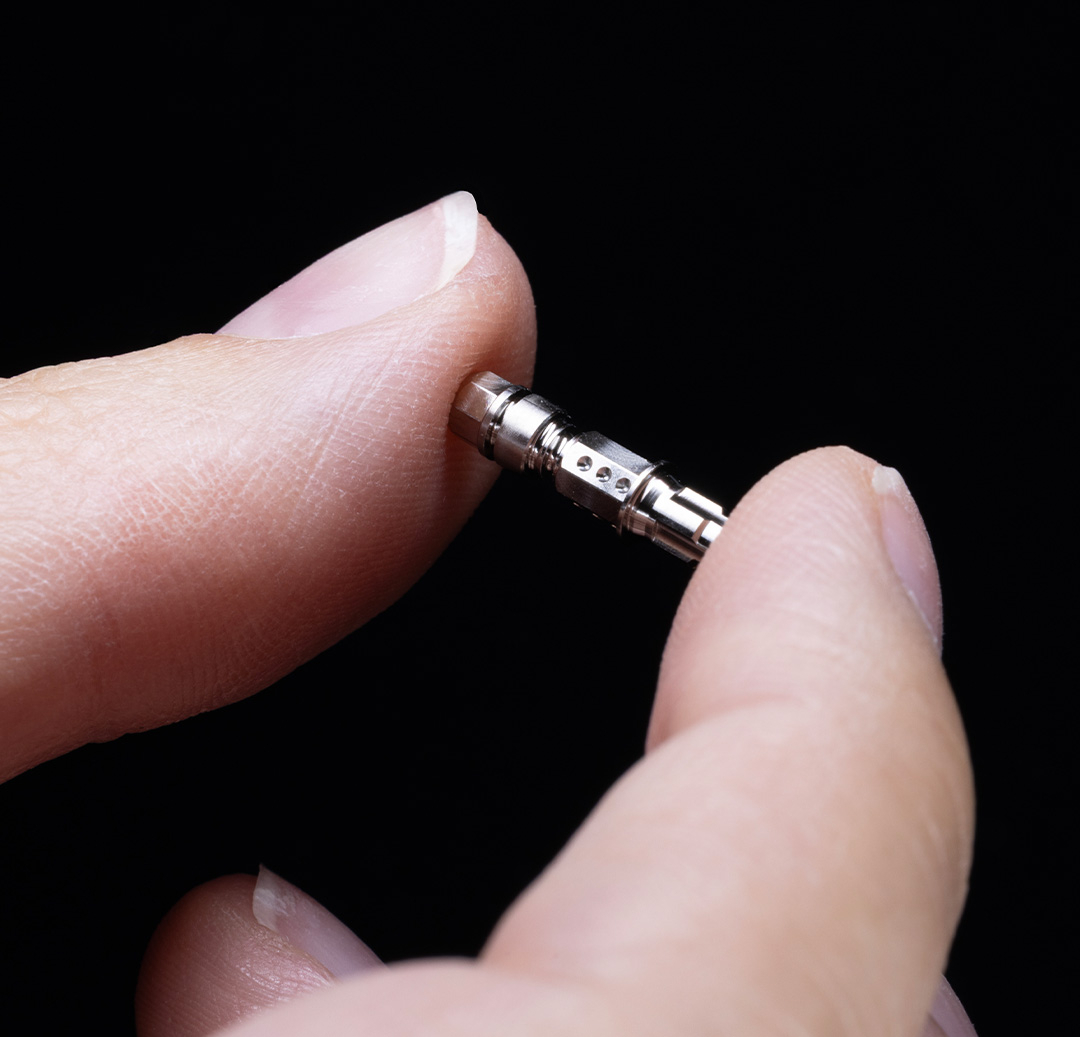
3. Develop monitoring protocols
Azurea works with its clients to develop specific, tailored testing and inspection protocols that reliably and reproducibly verify that the expected functionality is properly ensured.

4. Evaluate the production
The processes are then rigorously validated to demonstrate that this performance can be consistently and reliably replicated under controlled conditions throughout the device’s production run.
Azurea doesn't just manufacture a part; it ensures that it performs its intended function.
Industrialization as a tool for security
In the MedTech sector, industrialization goes far beyond simply preparing for production. It ensures product performance, demonstrates regulatory compliance, and guarantees the product’s ability to be manufactured reliably throughout its production run. In this way, it transforms a design concept into a controlled industrial reality.
Once the critical criteria have been identified, Azurea works with its clients to develop testing and validation protocols tailored to the product’s requirements. These tests verify that the device meets the performance specifications defined during its design phase and that production can reliably reproduce those specifications over time.
Our goal is not merely to produce a compliant part. We demonstrate that the intended function remains under control throughout the product’s lifecycle. At Azurea, we don’t just qualify a part; we qualify a function and the performance associated with it.
The Foundations of Medical Device Industrialization
1. Ensure the system's performance
The primary goal of industrialization is to ensure that the medical device performs its function reliably over the long term. Whether it involves sealing, fastening, driving, or cutting, the processes must consistently deliver the expected performance. Qualification demonstrates this capability before the product enters mass production.
2. Ensure regulatory traceability
In the MedTech industry, every stage of manufacturing must be documented and traceable. Industrialization builds the product’s technical file, from qualification protocols to in-process controls. This traceability ensures compliance with regulatory requirements and guarantees patient safety. The CMCs of the control methods and the Cpks of the processes are then demonstrated.
3. Controlling manufacturing costs
Industrialization must ensure that the product remains within the cost targets set at the outset. The choice of production processes and methods directly influences its competitiveness. Effective industrialization allows for cost optimization without compromising quality or expected performance.
Azurea turns innovation into controlled production
In the MedTech industry, a product’s success does not depend solely on its design. It also depends on its ability to be manufactured reliably, consistently, and under controlled conditions throughout its production run.